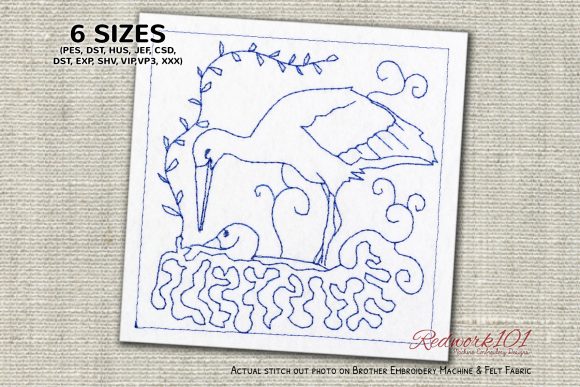
Two Stork in the Nest Lineart
A Delicate Balance of Detail and Simplicity
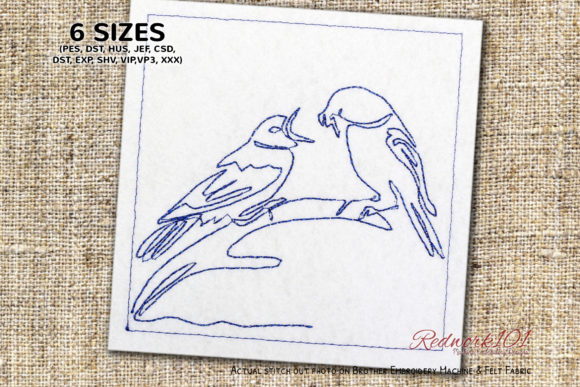
When I first laid eyes on Two Stork in the Nest Lineart, I was immediately struck by its clean, minimalist aesthetic. The design is a quiet celebration of nature’s elegance—two storks nestled together in a nest, rendered with a precision that suggests both artistry and intention. It’s not overly detailed, which makes it versatile, but there’s enough visual interest to keep it from feeling flat or lifeless. This lineart feels like something you’d find in a sketchbook, waiting to be brought to life through embroidery.
The Mood and Visual Personality
Two Stork in the Nest Lineart carries a peaceful, almost nostalgic tone. It evokes a sense of calm and tradition, fitting well for projects that aim to convey warmth or heritage. The soft lines and rounded shapes give it a gentle, approachable feel, making it ideal for items like baby clothes, holiday gifts, or personalized keepsakes. Its simplicity also allows it to adapt to a variety of color schemes, which is a major plus for designers looking to offer multiple options.
Real-World Embroidery Use Cases
As an embroidery designer, I’ve seen how a single design can transform a project. Two Stork in the Nest Lineart has potential across a wide range of applications. It could work beautifully on custom apparel like t-shirts, sweatshirts, or tote bags, where its subtle details add character without overwhelming the garment. For baby items such as onesies or blankets, the design’s gentle imagery would be soothing and appropriate. It also fits well on embroidered patches, aprons, and even kitchen towels, where a touch of whimsy can elevate the product.
I imagine using it on a custom embroidered cap for a boutique shop, or as a holiday gift on a tea towel. The design’s versatility means it can easily transition from personal use to commercial sale, especially for Etsy sellers or small shop owners who value flexibility in their product offerings.
Where to Be Careful
While Two Stork in the Nest Lineart is elegant, it’s not without its limitations. The design’s delicate lines and intricate corners may pose challenges when working with certain materials or techniques. For instance, on thin or stretchy fabrics, the stitch density might not hold up as well, leading to distortion or uneven edges. Dark fabrics can also make the design harder to see, so testing thread color contrast is essential before committing to a final product.
Additionally, the design’s fine details require careful handling. If used on curved surfaces like caps or hats, the layout may need adjustments to ensure it looks natural and balanced. Small hoop sizes can also cause issues with stitch density and clarity, so it’s important to confirm the recommended hoop size before starting any project.
Design Clarity and Stitching Performance
Two Stork in the Nest Lineart performs admirably in terms of stitching clarity, provided the right settings are used. The lineart format allows for a clean, sharp result when filled with satin or running stitches. However, the design’s subtlety means that stitch density plays a crucial role in maintaining its integrity. Too dense, and the design may lose its delicate charm; too sparse, and it may appear unfinished.
Testing the design on scrap fabric is always a good idea, especially if you’re planning to sell finished products. Checking how the design looks in black and white mockups can help identify any issues with contrast or detail visibility. Proper stabilizer use is also vital to prevent puckering or shifting, particularly on textured or layered fabrics.
Practical Designer Notes
As a designer, I always recommend taking a few practical steps before moving forward with any embroidery file. For Two Stork in the Nest Lineart, this includes:
- Testing the design on scrap fabric to assess stitch quality and appearance.
- Checking thread color contrast against the intended fabric background.
- Reviewing stitch density to ensure clarity and consistency.
- Confirming the recommended hoop size for optimal results.
- Inspecting small details like corners and lettering for precision.
- Using proper stabilizer to maintain fabric stability during stitching.
- Comparing the design on light and dark backgrounds to ensure visibility.
- Considering licensing terms if the design is to be sold commercially.
These steps not only improve the final outcome but also build trust with customers, especially for handmade products and personalized gifts.
Value and Brand Consistency
Two Stork in the Nest Lineart offers a strong foundation for brand consistency. Its clean, timeless look can be adapted to various styles, making it a valuable asset for craft businesses or Etsy sellers looking to expand their product range. Whether used as a standalone design or paired with other elements, it maintains a cohesive visual identity that appeals to a broad audience.
For small shop owners or creative entrepreneurs, the design’s adaptability means it can serve as a key piece in your product lineup, helping to differentiate your brand while remaining accessible to a wide market.
Final Thoughts
In conclusion, Two Stork in the Nest Lineart is a thoughtful, elegant design that bridges the gap between simplicity and sophistication. While it requires attention to detail and proper execution, its versatility and visual appeal make it a great choice for a wide range of embroidery projects. Whether you're creating a custom tote bag, a baby item, or a holiday gift, this design has the potential to deliver both beauty and value.