Heart Hot Air Balloon Design
A Delightful Embroidery for Personalized Gifts
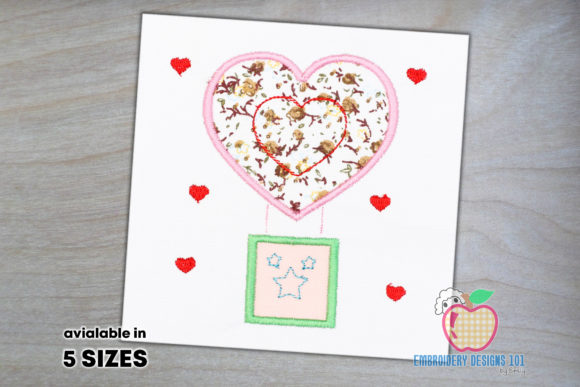
As an experienced embroidery designer, I recently had the pleasure of testing the Heart Hot Air Balloon Design for use in a variety of personalized gift products. This design immediately captured my attention with its charming and whimsical appeal. It feels like a perfect blend of romance and playfulness, ideal for those who want to add a touch of warmth and nostalgia to their handmade creations.
The First Impression: Sweet and Seasonal
The first thing that struck me about the Heart Hot Air Balloon Design was its emotional resonance. The heart shape, paired with the delicate details of the hot air balloon, creates a sense of love and celebration. Whether it's for a baby's first birthday or a wedding anniversary, this design exudes a sweet, seasonal charm that can easily be adapted to various occasions.
The level of detail is impressive, especially considering it’s designed for machine embroidery. The balloon’s texture and the heart’s soft curves are rendered with care, making it feel almost handcrafted. This makes it a great choice for those looking to create handmade products that still benefit from the precision of digital embroidery.
Perfect for a Range of Personalized Gift Products
The versatility of the Heart Hot Air Balloon Design is one of its strongest features. It can be applied to a wide range of items, including:
- Baby embroidery – Perfect for nursery items like blankets, pillow covers, and aprons.
- Wedding gifts – Ideal for custom tote bags, kitchen towels, and keepsake items.
- Family keepsakes – Great for embroidered towels, decorative pillows, and custom apparel.
- Personalized towels – Adds a unique touch to everyday items.
- Nursery decor – A lovely addition to baby rooms and children’s spaces.
Whether you're an Etsy seller, a small shop owner, or a craft fair vendor, this design offers endless possibilities for creating meaningful personalized gifts.
Considerations for Use
While the Heart Hot Air Balloon Design is beautiful, it’s important to consider where and how it will be used. Some factors to keep in mind include:
- Small lettering – Ensure the text is readable on the final product.
- Delicate details – These may not show up well on thick or textured fabrics.
- Fabric texture – Avoid using this design on stretchy materials like baby clothes or dark fabrics that may obscure the design.
- Curved surfaces – Test the design on curved items such as tote bags or pillow covers to ensure proper alignment.
- Products needing frequent washing – Choose durable threads and stabilizers to maintain quality over time.
It’s always a good idea to test the design on scrap fabric before applying it to your final product. This helps catch any potential issues early and ensures the finished item meets your standards.
Enhancing Giftability and Perceived Value
The Heart Hot Air Balloon Design has the power to elevate the perceived value of your personalized gifts. Its romantic and sentimental nature makes it highly appealing to customers looking for meaningful, handmade products. When combined with high-quality thread colors and careful stitching, it can significantly enhance customer trust and satisfaction.
When photographing your finished products, make sure to highlight the design’s details. A well-lit image can showcase the embroidery file’s intricacies and help buyers envision how the design will look on their own items. This increases buyer engagement and can lead to more sales, especially for small shop products and custom embroidery orders.
Practical Embroidery Tips
To ensure the best results when using the Heart Hot Air Balloon Design, follow these practical tips:
- Test on scrap fabric – Always check the design on a piece of fabric before starting your project.
- Check thread color contrast – Select thread colors that stand out against the fabric background.
- Confirm hoop size – Make sure the design fits within your hoop dimensions.
- Review stitch density – Adjust settings if needed to achieve the desired detail.
- Use proper stabilizer – Choose the right type of stabilizer based on the fabric type.
- Compare light and dark fabric mockups – Ensure the design looks good on both types of fabric.
- Check small details after stitching – Inspect the finished product for any imperfections.
- Confirm commercial licensing – Always verify that you have the necessary rights to sell the design commercially.
By following these steps, you can ensure that your finished products are not only beautiful but also of high quality and ready for sale.